
A tiny rock chip can look harmless while you are parked at work in Tempe or headed home through Mesa. But Arizona heat, rough roads, and a blast of cold A/C can turn that small mark into a spreading crack quickly. Knowing when to repair windshield chips helps protect your visibility, avoid a larger bill, and keep a minor problem from interrupting your day.
The short answer is simple: repair a chip as soon as you notice it, as long as the damage is small, stable, and outside the driver’s direct line of sight. Waiting gives dirt, moisture, heat, and road vibration more time to work their way into the glass.
When to Repair Windshield Chips Right Away
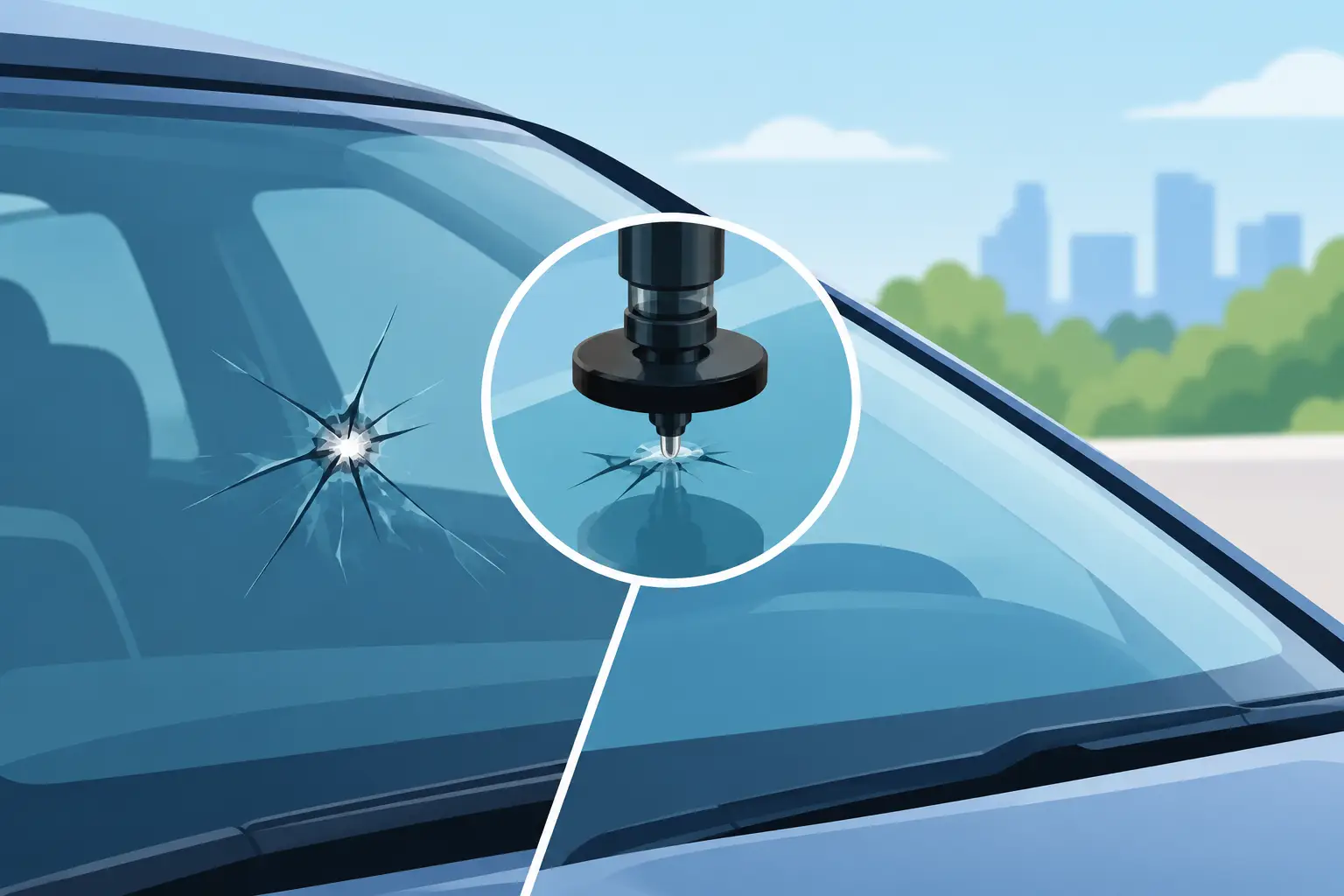
Most windshield chips are good candidates for repair when they are smaller than a quarter and the crack legs extending from the impact point are short. A certified technician can inject a clear resin into the damaged area, then cure and polish it. The repair strengthens the glass and makes the chip much less noticeable, though it may not disappear completely.
A prompt repair is usually the best choice when the chip is fresh, clean, and located away from the windshield edges. This is especially true for Phoenix-area drivers. A windshield can heat up fast in a grocery store parking lot, then cool rapidly once the air conditioning is running. That expansion and contraction puts pressure on damaged glass.
Do not assume a chip is safe just because it has not grown yet. A pothole, a slammed car door, or the next hot afternoon can be enough to start a crack. If the damage is repairable, a mobile rock chip repair can often be completed where your vehicle is parked, saving you a trip to a shop.
Signs Your Chip Is Still Repairable
The size and location of the damage matter more than the chip’s appearance alone. Many common bull’s-eye chips, star breaks, combination breaks, and small surface pits can be repaired if they meet the manufacturer’s safety guidelines.
Repair is often possible if the chip has a contained impact point, does not reach the edge of the windshield, and has not developed a long crack. Clean glass also improves the result. Dirt and water inside a chip can limit how clear the finished repair looks, which is one reason fast action pays off.
Putting clear tape over a fresh chip can help keep dust and moisture out until a technician can inspect it. Use a small piece of clean, transparent tape only. Do not press hard on the damaged area, apply super glue, or use a store-bought kit if the windshield has a complicated break or camera equipment nearby. A quick inspection is safer than making the damage harder to repair.
When Windshield Chip Repair Is Not the Safe Option
There are times when windshield replacement is the better call. Windshields are part of your vehicle’s safety system. They support the roof structure and help airbags deploy correctly, so the goal is not simply to cover the damage. The glass needs to remain structurally sound and give you a clear view of the road.
Replacement may be recommended when a crack is long, when damage reaches the outer edge of the windshield, or when there are several chips close together. Edge damage is more likely to spread because that part of the windshield carries added stress.
A replacement may also be necessary if the chip is directly in the driver’s primary viewing area. Even a technically successful repair can leave a slight distortion or visible mark. If that mark interferes with your view of traffic, pedestrians, or brake lights, clear new glass is the safer choice.
Modern vehicles add another consideration. Many windshields hold forward-facing cameras and sensors used for safety features such as lane departure warnings, automatic emergency braking, adaptive cruise control, or automatic high beams. If the glass needs replacement, proper windshield calibration may be required afterward. Skipping this step can leave those systems working incorrectly.
A Crack Changes the Decision
Once a chip turns into a crack, repair options narrow. Small cracks may sometimes be repairable depending on their length, direction, location, and the vehicle’s windshield design. Still, a growing crack deserves a professional look right away.
Do not keep driving for days hoping it will stop. Cracks rarely improve on their own, and Arizona temperature swings tend to make them worse. Parking in shade, avoiding potholes, and keeping the defroster from blowing directly onto the damaged area may slow further spreading, but these are temporary measures, not repairs.
Why Phoenix Weather Makes Timing Matter
Windshield glass is built from two layers of glass bonded around a plastic layer. It is strong, but it is not immune to stress. When the outer layer is damaged by a rock, heat can cause the crack to expand as the glass changes temperature.
That is why a chip noticed during a commute in Chandler can become a visible crack by the time you leave work. It is also why a windshield can crack after a cool car wash or a cold A/C vent hits sun-baked glass. The original impact may be small, but the stress on the surrounding glass is real.
For commuters, families, rideshare drivers, and small business vehicles, early repair is usually the most economical move. It can preserve the original factory windshield, avoid the downtime of a larger repair, and reduce the chance of damage spreading at the worst possible time.
What to Expect From Mobile Chip Repair
A professional technician begins by checking the chip’s size, depth, location, and pattern. They also look for hidden cracks and assess whether the windshield has advanced driver-assistance equipment that affects the recommended service.
If repair is appropriate, the technician removes loose debris, creates the right conditions for the resin, and carefully fills the damaged area. The resin is cured with ultraviolet light and finished to smooth the surface. Most repairs do not take all day, but the timing depends on the damage and conditions.
The main benefit is strength and prevention. Cosmetic improvement varies. A fresh, clean chip often blends in well after repair, while an older chip with dirt in it may leave a faint mark. Honest service means setting that expectation before the work starts.
Pacific Auto Glass provides free mobile service throughout the Phoenix metro area, including Mesa, Tempe, Chandler, Gilbert, Queen Creek, San Tan Valley, Maricopa, Scottsdale, and Phoenix. A certified technician can assess the damage at your home, office, or another safe location and recommend repair or replacement based on the condition of the glass.
Does Insurance Cover Windshield Chip Repair?
Many insurance plans cover windshield chip repair, often with little or no out-of-pocket cost. Coverage depends on your policy, deductible, and carrier, but insurers commonly prefer repair when it is safe because it costs less than replacing the entire windshield.
If you are paying cash, repairing a small chip is typically far more affordable than waiting for a replacement. If replacement is needed, ask about your insurance options, the glass quality being installed, and whether calibration is included for your vehicle’s safety systems. Clear answers upfront make it easier to choose the right service.
A Quick Check Before You Book Service
Look closely at the windshield in daylight. If you see a small, recent chip with no long cracks and it is not in your direct field of view, schedule an inspection soon. If the glass has a spreading crack, edge damage, multiple impacts, or damage near a camera or sensor, treat it as a higher-priority issue.
Do not wait for the chip to become a windshield-wide problem. A fast professional inspection gives you a clear answer, protects your time, and helps keep your next drive through the Valley safe and uneventful.
