
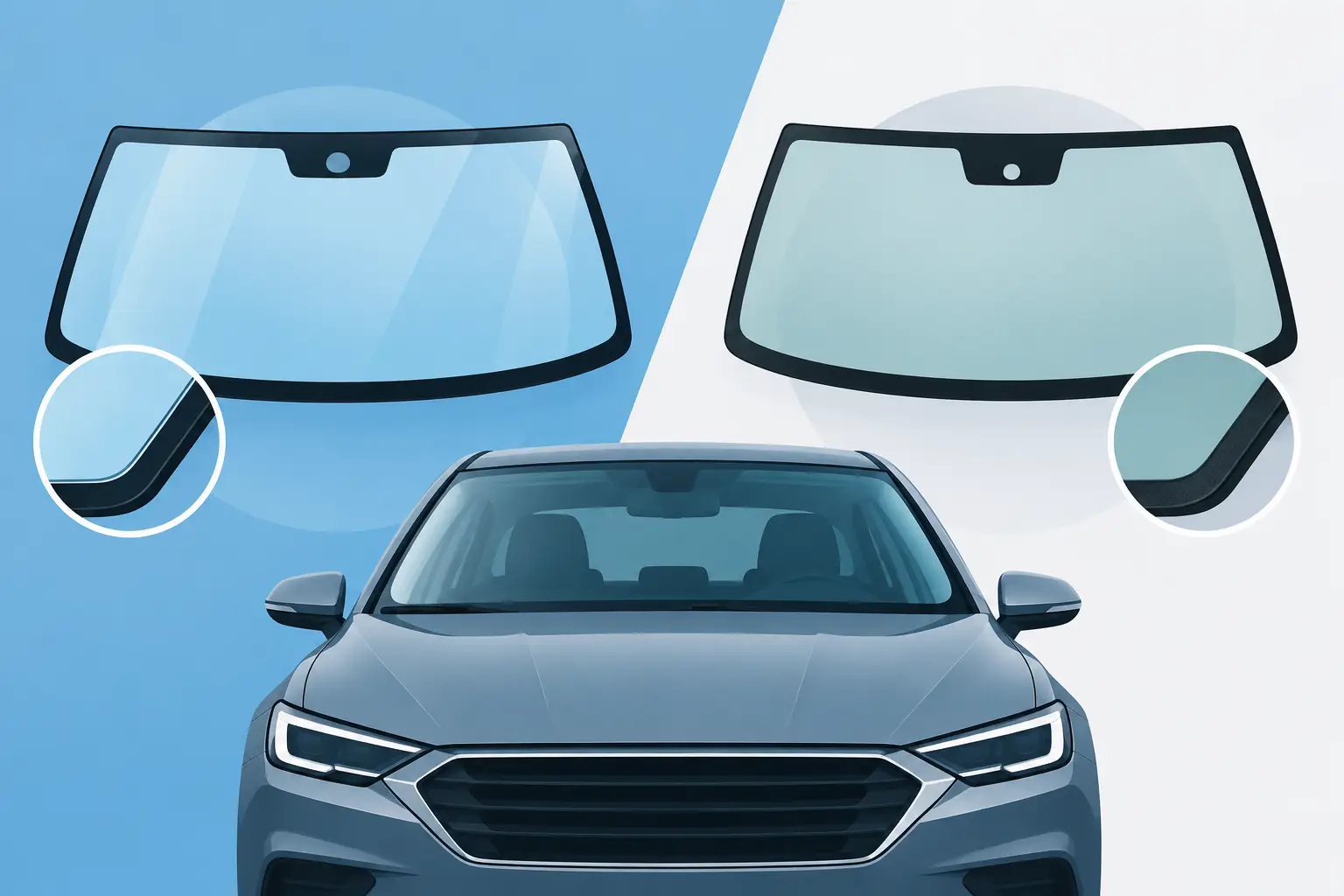
A cracked windshield can turn into a same-day decision, especially when Arizona sun, freeway debris, and a busy commute are involved. When you hear the term OEM aftermarket windshield, the real question is usually simple: will the replacement fit correctly, keep your vehicle safe, and stay within your budget?
For many Phoenix-area drivers, either OEM or quality aftermarket glass can be a good choice. The best option depends on your vehicle, the features built into its windshield, your insurance coverage, and the condition of the available glass. Knowing the difference helps you make a confident decision instead of choosing based on price alone.
What Does OEM Aftermarket Windshield Mean?
OEM stands for Original Equipment Manufacturer. OEM windshield glass is made by, or made for, the manufacturer that supplied glass for the vehicle when it was new. It may carry the vehicle brand’s logo and is designed to match the original windshield’s specifications.
Aftermarket windshield glass is made by another manufacturer after the vehicle has been produced. It is not necessarily lower-quality glass. Reputable aftermarket glass is made to meet federal safety standards and can be an excellent replacement for many vehicles.
The phrase OEM aftermarket windshield is often used when drivers compare the two choices. They are not the same product, but both can be appropriate depending on the repair. A certified technician should explain what is available for your specific year, make, and model before the work begins.
The Difference Is More Than the Logo
The most visible difference between OEM and aftermarket glass may be the branding in the lower corner of the windshield. That logo matters to some owners, particularly those with newer luxury vehicles, leased vehicles, or vehicles where they want an exact factory match.
However, the bigger differences can involve fit, tint shade, acoustic properties, antenna connections, camera mounting brackets, heating elements, and the placement of black ceramic frit around the windshield edges. On a basic vehicle without advanced safety equipment, a quality aftermarket windshield may fit and perform very similarly to OEM glass.
On certain newer vehicles, OEM glass may be the more practical choice because of the number of systems attached to the windshield. The glass is no longer just a barrier against wind and dust. It can support technology that helps your vehicle see the road.
Windshield Fit and Installation Matter Most
Even the best glass can cause trouble if it is installed poorly. A windshield is a structural part of the vehicle. It helps support the roof during a rollover and helps the passenger airbag deploy in the correct direction.
Proper installation includes using the correct urethane adhesive, preparing the pinchweld correctly, placing the glass evenly, and allowing the adhesive to cure before driving. A poor installation can lead to wind noise, water leaks, stress cracks, or safety concerns during a collision.
That is why the installer matters as much as the label on the glass. Experienced technicians inspect the vehicle, verify the correct part, and make sure the windshield is installed according to safe procedures. If rust or old adhesive damage is found around the frame, it should be addressed instead of covered up.
When OEM Glass May Be Worth the Extra Cost
OEM glass is often worth considering when an exact match is important. This can be the case for newer vehicles with complex windshield-mounted technology, high-end trim packages, or special factory features.
It may also make sense if your current windshield has a unique sound-reducing layer, heads-up display area, solar coating, or factory tint that is difficult to match. Drivers who lease their vehicles may prefer OEM glass if their lease agreement has specific requirements. Checking your agreement before scheduling replacement can prevent a surprise later.
OEM can also be a good choice when the vehicle manufacturer has issued a specific recommendation for replacement glass. Availability is a factor, though. OEM windshields can cost more and sometimes take longer to source than common aftermarket options.
Choosing OEM does not automatically mean every situation will be better. If the glass needs to be ordered and your vehicle has a spreading crack in the driver’s line of sight, waiting may not be the safest plan. Your technician can help weigh exact matching against the need to restore safe visibility quickly.
When Quality Aftermarket Glass Makes Sense
For many cars, trucks, SUVs, and work vehicles, quality aftermarket glass offers dependable protection at a lower cost. This is especially helpful for cash-paying customers who need a safe replacement without paying a premium for a factory logo.
A good aftermarket windshield is manufactured to meet required safety standards. It can provide proper visibility, fit securely, and work well with many vehicle features when the correct part is selected and the installation is done correctly.
Aftermarket glass is also often easier to obtain. That can make same-day or next-day windshield replacement possible when a broken windshield is disrupting work, school drop-offs, rideshare driving, or daily travel across Mesa, Tempe, Chandler, Gilbert, Scottsdale, and the rest of the Phoenix metro area.
There can be variations among aftermarket brands, so this is not a category where the lowest quote always tells the whole story. Ask whether the glass is OEM-quality, whether it is compatible with your vehicle’s safety features, and whether calibration is included if needed.
ADAS Calibration Cannot Be Skipped
Many late-model vehicles have Advanced Driver Assistance Systems, often called ADAS. A forward-facing camera near the rearview mirror may support features such as lane departure alerts, lane-keeping assistance, automatic emergency braking, traffic sign recognition, or adaptive cruise control.
When the windshield is replaced, that camera may need to be recalibrated. This process makes sure the camera is reading the road accurately through the new glass. A camera that is even slightly out of position can affect how safety features respond.
Calibration requirements vary by vehicle. Some need static calibration with targets and specialized equipment. Others require a dynamic calibration performed while driving under specific conditions. Some vehicles need both.
The windshield choice and calibration process should be discussed together. The right glass needs the correct camera bracket, clarity, and design for the vehicle. Replacing the glass without verifying calibration is not a complete job on a vehicle that requires it.
How Insurance Affects Your Choice
Insurance coverage can influence whether OEM or aftermarket glass is approved. Many policies cover aftermarket glass unless OEM coverage is specifically included or required by the policy. This is common because aftermarket glass can reduce claim costs while still meeting safety requirements.
If you have comprehensive coverage with glass benefits, you may have little or no out-of-pocket cost for a windshield replacement. Arizona drivers should review their deductible and glass coverage rather than assume every policy works the same way.
You can also ask whether OEM glass is available through your claim and whether there is an added cost. In some cases, you may choose OEM and pay the difference. In other cases, insurance may approve it based on vehicle requirements or policy terms.
Pacific Auto Glass accepts all insurance plans and can help customers understand the glass replacement process before work begins. For qualifying insurance windshield replacements, cash-back options may also be available. If you are paying out of pocket, ask for a clear quote for both OEM and quality aftermarket options when both are available.
Arizona Heat Makes Small Damage More Urgent
A small rock chip does not always require a full windshield replacement. If the damage is small, away from the driver’s direct view, and has not spread deeply or widely, windshield chip repair may save the original glass.
But Phoenix heat changes the equation. Hot daytime temperatures, cool nights, and air conditioning can make a chip or short crack spread quickly. Slamming a door, hitting a pothole, or parking in direct sunlight can put additional stress on damaged glass.
If a crack reaches the edge of the windshield, crosses the driver’s field of view, or is long and spreading, replacement is usually the safer solution. Covering a chip with clear tape until it can be inspected may help keep dirt and moisture out. Do not apply a store-bought repair kit to damage you are unsure about, since contamination can make a professional repair less effective.
Questions to Ask Before Scheduling Replacement
Before agreeing to a windshield replacement, get a direct answer about the type of glass being installed, whether it matches your vehicle features, and whether ADAS calibration is required. You should also know whether mobile service is available, how long the vehicle must sit before driving, and what your warranty covers.
For busy families, commuters, and small business owners, mobile service can make a real difference. A qualified technician can replace the windshield at home or work when conditions allow, saving you a trip across town with damaged glass. The work area still needs to be safe, accessible, and protected from severe weather.
A windshield replacement should leave you with clear visibility, properly functioning safety features, and instructions on safe drive-away time. If you notice water leaks, unusual wind noise, warning lights, or camera-related messages after replacement, contact the installer promptly.
The right windshield is the one that fits your vehicle, supports its safety systems, and works for your budget. Whether that is OEM or quality aftermarket glass, do not let a crack make the decision for you – get the damage inspected while repair or replacement options are still clear.
